
How to choose portfolio projects that prove you can ship.
Impressive demos age quickly. Finished work ages into proof. This piece is about choosing portfolio projects small enough to ship and clear enough for a sceptical reader.
Why finished work beats an impressive demo
People often choose portfolio projects the way they choose movie trailers. They want something that looks impressive in the first thirty seconds. Animations help. A familiar app clone helps. A stack that sounds current helps. Then the project sits unfinished for months, and when somebody asks what you can do, there is still nothing solid to show.
Strong portfolio projects usually look quieter than that. They are work you can explain in two sentences. They still run. They do not need a long apology about the missing pieces. Recruiters, clients, and collaborators care less about whether you used the trendiest tools than whether you can finish under a real constraint. A small tool that helped one team is often stronger evidence than a half-built imitation of a famous product.
Flashy demos age quickly. Finished work ages into proof. When someone asks what you can do, you want a link that still works, a short write-up that still reads honestly, and a clear story about the trade-offs you made when time ran short. That is what a portfolio project is for. Not theatre. Evidence.
Start with a constraint, not a stack
Before you choose tools, decide who the work is for and when it has to exist. A portfolio project without those limits tends to expand until interest disappears. One week. One user. One metric. Pick at least one hard boundary and design backwards from it. The constraint is not there to shrink your ambition forever. It is there to make the project finishable.
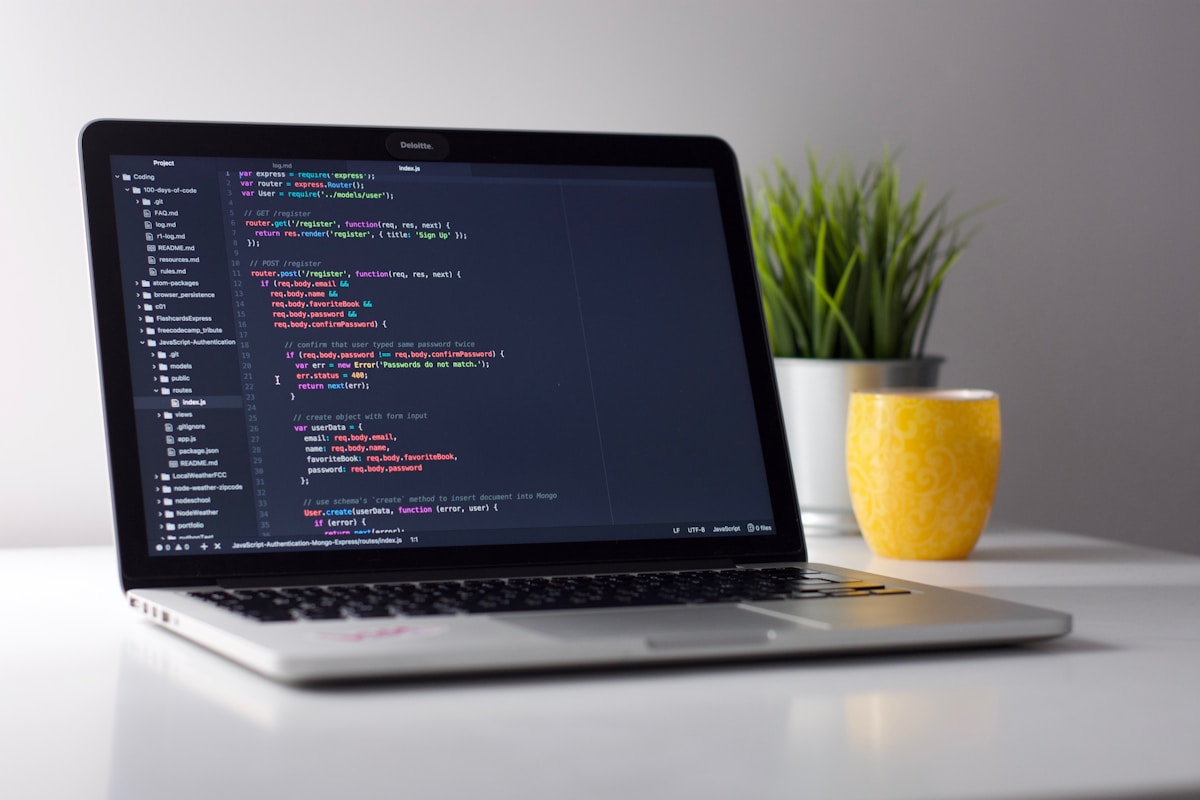
Constraints also make your story clearer later. "I shipped a booking flow for a five-person team in ten days" says more than "I built an app." If you are learning a new skill, let the hard limit be scope rather than novelty. Rebuild something ordinary that people already pay for, like invoicing, scheduling, or intake forms, and do it well enough to put in front of someone. Ordinary problems teach judgement faster than invented demos.
When the idea starts swelling, ask what you need to show by the end of the week to prove the project is real. If the answer is vague, the scope is still too large. If the answer is concrete, you have something you can protect on a busy calendar.
What sceptical readers actually look for
Imagine a reader who does not already trust you. What would they need? A live URL or a repo. A short note on how to set it up. One paragraph on the decisions you made. An honest line about the limits. Screenshots help, but outcomes help more. Did anyone use it? Did you measure anything? Did the design change after feedback?
Collaboration traces matter too. A pull request. A shared document. A message thread where you changed direction because somebody pushed back. Solo work still counts, but people want to know whether you can respond to input. Shipping is not only generating output. It is also adjusting when the first version meets reality.
Use the project to force the next skill
A portfolio project should pull the next skill into the open instead of waiting until you feel ready. If you are weak on deployment, the piece has to deploy. If you are weak on writing for users, somebody else has to read the copy. If you freeze when explaining trade-offs, the write-up has to make those trade-offs plain. The project becomes useful because it refuses to let the weak area stay theoretical.
That is also why structure around the build matters. Some people need self-paced material to fill gaps. Some need a live room with a date and a reviewer. Some only need a weekly sitting and one person who will ask what shipped. The format is secondary. The loop is not: build, show, improve, build again.
Portfolio projects are not a temporary phase before your real career begins. They are one of the ways you stay ready. One finished slice at a time is usually enough. Knowittoo exists partly for that reason. Not to push people into collecting more unfinished demos, but to help serious learners choose work small enough to finish and visible enough that somebody can tell whether it actually shipped.